Real situations.
Real conversations.
Hi, Miki! Today you’ll practise English with Erfan. You don’t need to speak perfectly. Listen, answer in your own words and ask him questions too. Start with any scene and use the phrase helper whenever you need it.

How to use your lessons
Read the English scene introduction.
Look at the pictures and listen to Erfan.
Answer in English, then ask Erfan back.
Tap a Japanese hint only if you need help.
Choose a situation
Every scene has pictures, key words and useful phrases.
Your practice notebook
Mark scenes you have practised, save your own notes and star useful phrases. Everything stays in this browser unless you export a backup. Your teacher’s ratings are not shown here.
A useful reminder: When you don’t understand something, ask Erfan to repeat it. That is part of the conversation, not a mistake.
Meeting someone new
International exchange event
Your situation
You are Miki, a local attendee. Erfan is a Bangladeshi living in Japan. You have just met at an international exchange event in Miyazaki.
You and Erfan are sitting at the same table. Neither of you knows the other person yet. Say hello, introduce yourself and find something you both enjoy. You do not need perfect English. Your goal is to start a friendly conversation.
Japanese hint
Who is who?
The person practising English
Your conversation partner or role-play character
Some jobs and situations are imaginary. Speak as your character in each scene.
Your goals
Focus on communication rather than perfection.
Greet Erfan and introduce yourself
Ask where he is from and what he does
Find something you have in common
Keep the conversation going with a question
How the conversation might go
日本語ヒント
日本語ヒント
日本語ヒント
日本語ヒント
日本語ヒント
Try this opening line
Listen and say it naturally, or use your own words.
Your scene materials
Use these instead of searching for menus or maps.
Useful things you can say
Tap ▶ to listen; Japanese is hidden until you ask for it.
Visual vocabulary
Six key terms for this situation.
日本語
日本語
日本語
日本語
日本語
日本語
10 illustrated speaking moments
Look at the pictures, then listen and respond.
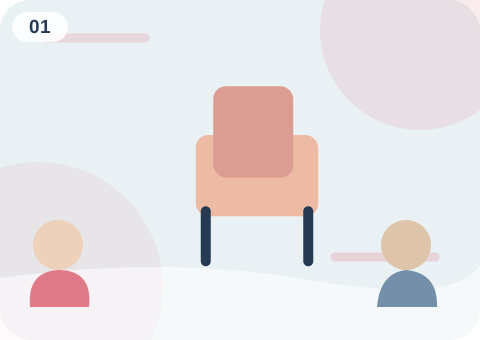
An empty seat
Japanese hint

First time here
Japanese hint
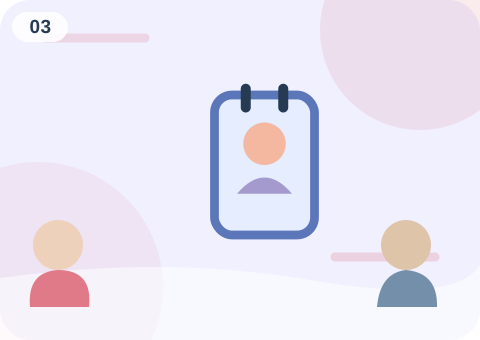
Names & greetings
Japanese hint

Where we are from
Japanese hint

What we do
Japanese hint

Why English matters
Japanese hint

Free-time interests
Japanese hint

Travel memories
Japanese hint

Life in Miyazaki
Japanese hint
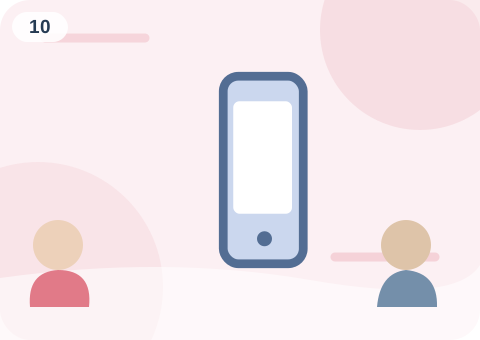
Keeping in touch
Japanese hint
After your conversation
Your notes stay on this device.
Anything you want to remember for next time?
Catching up with a friend
A quiet café after work

Your situation
You are Miki. Erfan is your friend. You have not spoken for a week and you are meeting after work.
You want to hear about Erfan’s week and share a little about yours. Talk about everyday things: work, meals, studying, something good that happened and your plans. Give a real answer and ask him something back.
Japanese hint
Who is who?
The person practising English
Your conversation partner or role-play character
Some jobs and situations are imaginary. Speak as your character in each scene.
Your goals
Focus on communication rather than perfection.
Talk about your week in two sentences
Describe one routine or recent activity
Ask Erfan a follow-up question
Say how you feel about something
How the conversation might go
日本語ヒント
日本語ヒント
日本語ヒント
日本語ヒント
日本語ヒント
Try this opening line
Listen and say it naturally, or use your own words.
Your scene materials
Use these instead of searching for menus or maps.
Useful things you can say
Tap ▶ to listen; Japanese is hidden until you ask for it.
Visual vocabulary
Six key terms for this situation.
日本語
日本語
日本語
日本語
日本語
日本語
10 illustrated speaking moments
Look at the pictures, then listen and respond.

A week in review
Japanese hint

This morning
Japanese hint

Breakfast habits
Japanese hint

Getting to work
Japanese hint

Enjoying work
Japanese hint
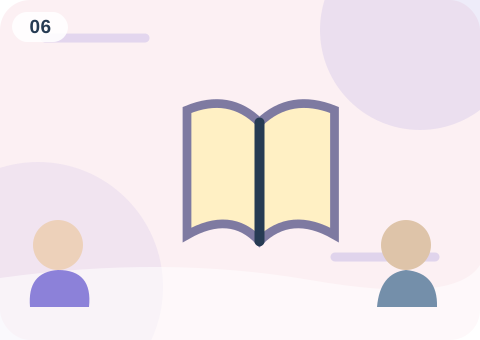
Free-time activities
Japanese hint

Good news
Japanese hint

A difficult moment
Japanese hint

English study
Japanese hint

Weekend plans
Japanese hint
After your conversation
Your notes stay on this device.
Anything you want to remember for next time?
Making plans together
Planning a café meet-up

Your situation
You are Miki. Erfan is your friend. You both want to meet next week, but you have not chosen the time or place.
You are deciding between a café, lunch and a short walk. One plan might change because of the weather. Invite Erfan, suggest a place, negotiate a time and clearly confirm the final plan.
Japanese hint
Who is who?
The person practising English
Your conversation partner or role-play character
Some jobs and situations are imaginary. Speak as your character in each scene.
Your goals
Focus on communication rather than perfection.
Accept or politely change an invitation
Suggest a place and time
Handle a small schedule change
Confirm when and where to meet
How the conversation might go
日本語ヒント
日本語ヒント
日本語ヒント
日本語ヒント
日本語ヒント
Try this opening line
Listen and say it naturally, or use your own words.
Your scene materials
Use these instead of searching for menus or maps.
Useful things you can say
Tap ▶ to listen; Japanese is hidden until you ask for it.
Visual vocabulary
Six key terms for this situation.
日本語
日本語
日本語
日本語
日本語
日本語
10 illustrated speaking moments
Look at the pictures, then listen and respond.

Free on Monday?
Japanese hint

Coffee invitation
Japanese hint

Finding a café
Japanese hint

Choosing a time
Japanese hint

Where to meet
Japanese hint

Getting there
Japanese hint

What if it rains?
Japanese hint

Changing the time
Japanese hint

Sending a message
Japanese hint

Confirming the plan
Japanese hint
After your conversation
Your notes stay on this device.
Anything you want to remember for next time?
At a café
A café in another country

Your situation
You are Miki, a customer. Erfan is the café employee in this imaginary role-play.
You have entered a café while travelling overseas. Look at the menu, order something you really want, make small requests and pay. If your order is wrong, politely ask the employee to fix it.
Japanese hint
Who is who?
The person practising English
Your conversation partner or role-play character
Some jobs and situations are imaginary. Speak as your character in each scene.
Your goals
Focus on communication rather than perfection.
Order a drink and a snack
Ask about choices and ingredients
Say “for here” or “to go”
Politely fix a wrong order
How the conversation might go
日本語ヒント
日本語ヒント
日本語ヒント
日本語ヒント
日本語ヒント
Try this opening line
Listen and say it naturally, or use your own words.
Your scene materials
Use these instead of searching for menus or maps.
Fictional practice prices and availability. These are not live business listings.
Useful things you can say
Tap ▶ to listen; Japanese is hidden until you ask for it.
Visual vocabulary
Six key terms for this situation.
日本語
日本語
日本語
日本語
日本語
日本語
10 illustrated speaking moments
Look at the pictures, then listen and respond.

Choose a drink
Japanese hint
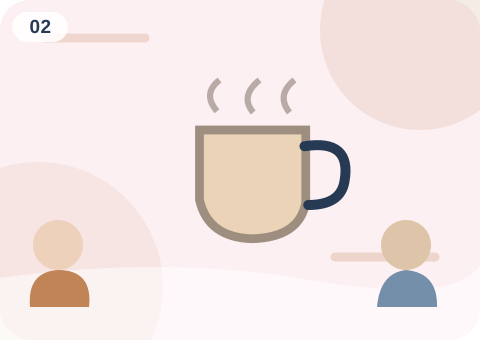
Choose a size
Japanese hint

Milk or sugar?
Japanese hint

Something to eat
Japanese hint

Food allergies
Japanese hint
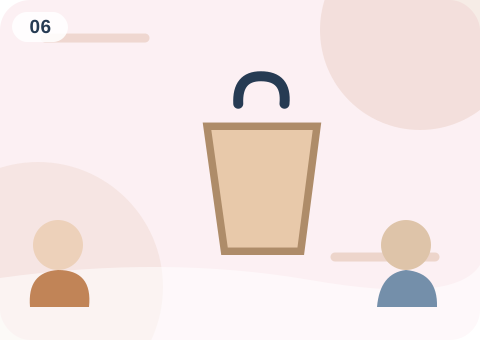
Here or takeaway?
Japanese hint

Ice & water
Japanese hint
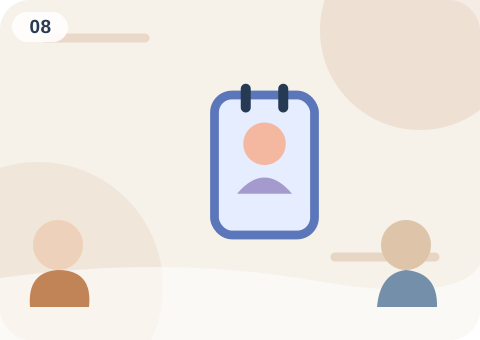
Your order name
Japanese hint

Payment method
Japanese hint
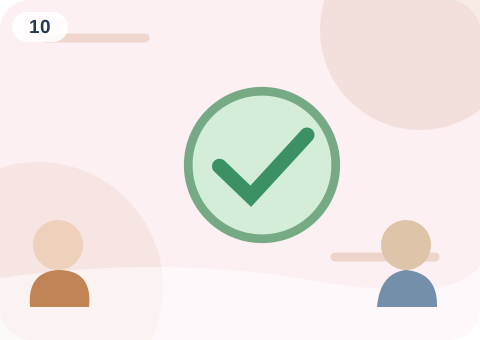
Checking your drink
Japanese hint
After your conversation
Your notes stay on this device.
Anything you want to remember for next time?
At a restaurant
A friendly dinner restaurant

Your situation
You are Miki, a restaurant guest. Erfan is your server in this imaginary role-play.
You are having dinner with a friend while travelling. You have no reservation. Ask for a table, choose from the menu, ask about the food and handle the bill. Be warm and polite, just as you would in a real restaurant.
Japanese hint
Who is who?
The person practising English
Your conversation partner or role-play character
Some jobs and situations are imaginary. Speak as your character in each scene.
Your goals
Focus on communication rather than perfection.
Ask for a table
Choose food from the menu
Ask about taste or ingredients
Ask for the bill
How the conversation might go
日本語ヒント
日本語ヒント
日本語ヒント
日本語ヒント
日本語ヒント
Try this opening line
Listen and say it naturally, or use your own words.
Your scene materials
Use these instead of searching for menus or maps.
Fictional practice prices and availability. These are not live business listings.
Useful things you can say
Tap ▶ to listen; Japanese is hidden until you ask for it.
Visual vocabulary
Six key terms for this situation.
日本語
日本語
日本語
日本語
日本語
日本語
10 illustrated speaking moments
Look at the pictures, then listen and respond.

A table, please
Japanese hint
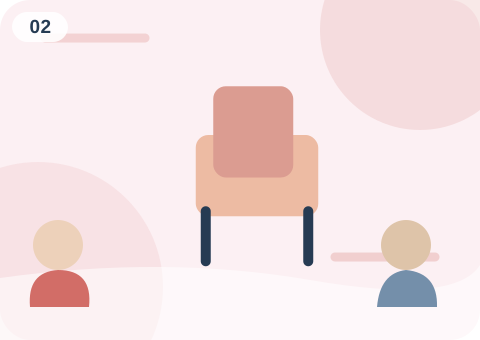
Finding a quiet seat
Japanese hint

Choosing drinks
Japanese hint

Popular dishes
Japanese hint
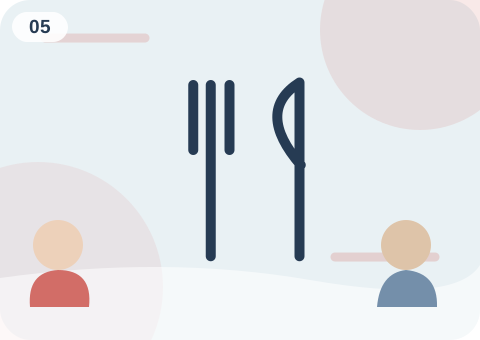
Choosing the meal
Japanese hint
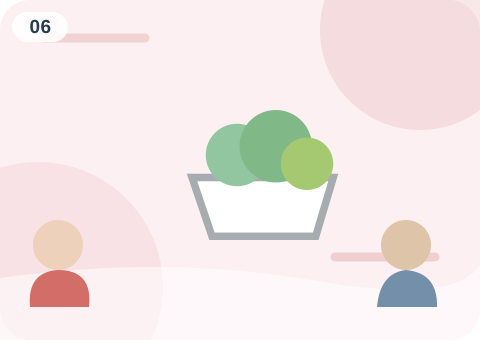
A side dish
Japanese hint

Food preferences
Japanese hint

Waiting for food
Japanese hint

How is the meal?
Japanese hint
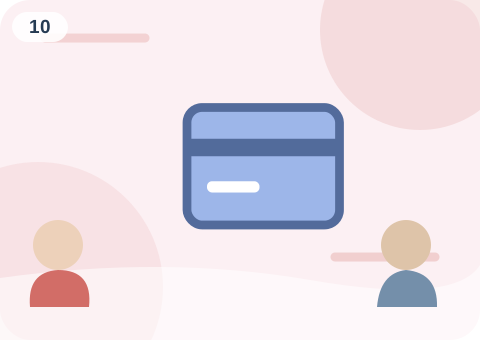
Paying the bill
Japanese hint
After your conversation
Your notes stay on this device.
Anything you want to remember for next time?
Shopping for a gift
A Miyazaki souvenir shop
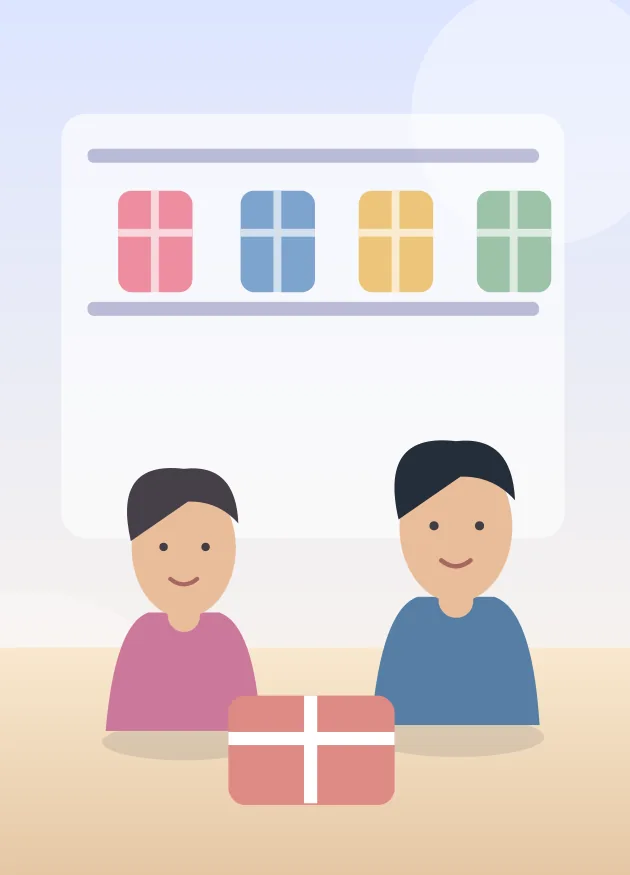
Your situation
You are Miki, looking for a present. Erfan is a shop assistant in this imaginary role-play.
You want to buy a thoughtful gift for a friend who is visiting Japan. You have a budget of about ¥2,000. Compare the gifts, ask questions, choose one and request wrapping.
Japanese hint
Who is who?
The person practising English
Your conversation partner or role-play character
Some jobs and situations are imaginary. Speak as your character in each scene.
Your goals
Focus on communication rather than perfection.
Explain who the gift is for
Compare options and prices
Ask about ingredients or wrapping
Choose a gift confidently
How the conversation might go
日本語ヒント
日本語ヒント
日本語ヒント
日本語ヒント
日本語ヒント
Try this opening line
Listen and say it naturally, or use your own words.
Your scene materials
Use these instead of searching for menus or maps.
Fictional practice prices and availability. These are not live business listings.
Useful things you can say
Tap ▶ to listen; Japanese is hidden until you ask for it.
Visual vocabulary
Six key terms for this situation.
日本語
日本語
日本語
日本語
日本語
日本語
10 illustrated speaking moments
Look at the pictures, then listen and respond.
Finding a present
Japanese hint

Who is the gift for?
Japanese hint
Food or keepsake?
Japanese hint

Colors & designs
Japanese hint
Your budget
Japanese hint

Something sweet
Japanese hint

Checking ingredients
Japanese hint
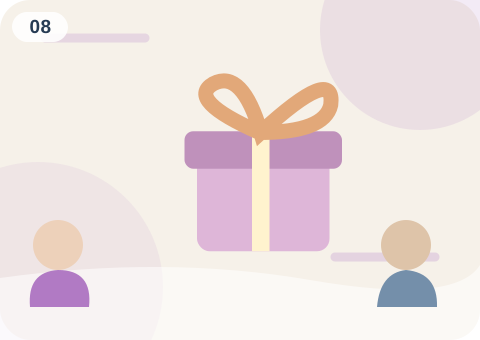
Gift wrapping
Japanese hint

Paying for the gift
Japanese hint

Keeping the receipt
Japanese hint
After your conversation
Your notes stay on this device.
Anything you want to remember for next time?
Giving directions
An imaginary town square
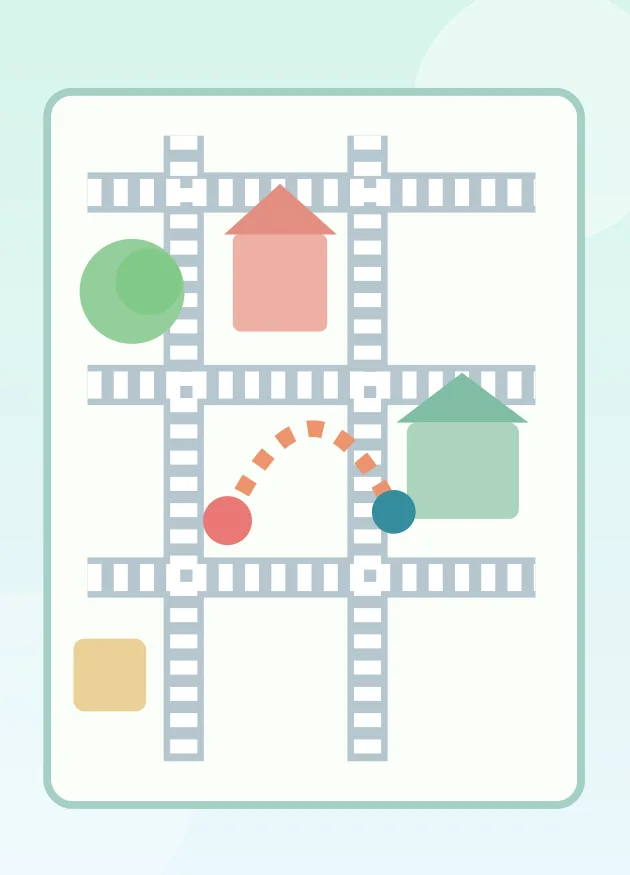
Your situation
You are Miki, a local person. Erfan is a visitor who is lost in an imaginary town.
Erfan needs to find the station, the café and a hotel. Look at the practice map and help him find his way. Point to the map while you talk. It is okay to say “I’m not sure. Let me check.”
Japanese hint
Who is who?
The person practising English
Your conversation partner or role-play character
Some jobs and situations are imaginary. Speak as your character in each scene.
Your goals
Focus on communication rather than perfection.
Ask where Erfan needs to go
Give simple left, right and straight directions
Use the map while you speak
Check whether he understood
How the conversation might go
日本語ヒント
日本語ヒント
日本語ヒント
日本語ヒント
日本語ヒント
Try this opening line
Listen and say it naturally, or use your own words.
Your scene materials
Use these instead of searching for menus or maps.
This is an imaginary map for speaking practice, not real directions.
Useful things you can say
Tap ▶ to listen; Japanese is hidden until you ask for it.
Visual vocabulary
Six key terms for this situation.
日本語
日本語
日本語
日本語
日本語
日本語
10 illustrated speaking moments
Look at the pictures, then listen and respond.

Finding the station
Japanese hint

Walking distance
Japanese hint

Left or right?
Japanese hint

Finding a café
Japanese hint

The nearby park
Japanese hint

Looking for the hotel
Japanese hint

Hotel to café
Japanese hint
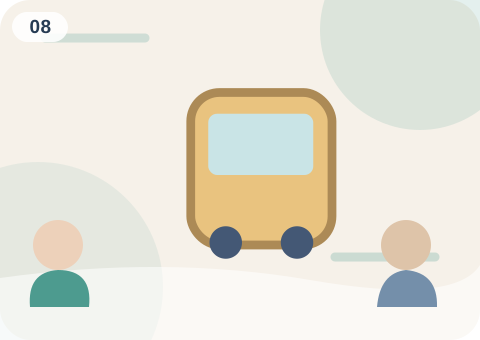
The bus stop
Japanese hint

East or west?
Japanese hint

Checking directions
Japanese hint
After your conversation
Your notes stay on this device.
Anything you want to remember for next time?
Talking about travel
Sharing photos over coffee

Your situation
You are Miki. Erfan is your friend. You are showing each other pictures and memories from trips.
Choose one place you have visited, or invent a trip if that is easier. Explain where you went, what you enjoyed, what surprised you and where you would like to go next. Ask Erfan about his own travel memories too.
Japanese hint
Who is who?
The person practising English
Your conversation partner or role-play character
Some jobs and situations are imaginary. Speak as your character in each scene.
Your goals
Focus on communication rather than perfection.
Describe a past trip simply
Talk about food, places and people
Say what surprised you
Ask Erfan about his experience
How the conversation might go
日本語ヒント
日本語ヒント
日本語ヒント
日本語ヒント
日本語ヒント
Try this opening line
Listen and say it naturally, or use your own words.
Your scene materials
Use these instead of searching for menus or maps.
Useful things you can say
Tap ▶ to listen; Japanese is hidden until you ask for it.
Visual vocabulary
Six key terms for this situation.
日本語
日本語
日本語
日本語
日本語
日本語
10 illustrated speaking moments
Look at the pictures, then listen and respond.

Countries visited
Japanese hint

Favorite destination
Japanese hint

Food memories
Japanese hint

What surprised you?
Japanese hint

Solo or together?
Japanese hint

Length of stay
Japanese hint

People you met
Japanese hint

Language challenges
Japanese hint

Next destination
Japanese hint

Advice for visitors
Japanese hint
After your conversation
Your notes stay on this device.
Anything you want to remember for next time?
Welcoming a client
A calm bodywork studio
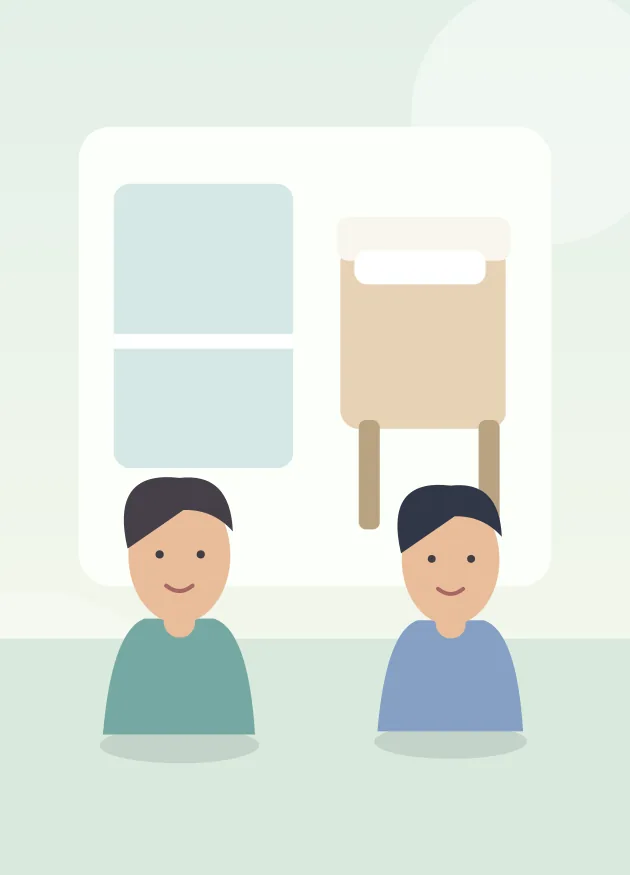
Your situation
You are Miki, welcoming a client to your own bodywork practice. Erfan is a new English-speaking client in this imaginary role-play.
Erfan has booked an appointment. Welcome him, confirm basic information, explain what will happen and check that he is comfortable. Listen carefully if he asks to change or stop something.
Japanese hint
Who is who?
The person practising English
Your conversation partner or role-play character
Some jobs and situations are imaginary. Speak as your character in each scene.
Your goals
Focus on communication rather than perfection.
Welcome a client and confirm their appointment
Explain a simple process
Check comfort and permission
Respond helpfully to a request
How the conversation might go
日本語ヒント
日本語ヒント
日本語ヒント
日本語ヒント
日本語ヒント
Try this opening line
Listen and say it naturally, or use your own words.
Your scene materials
Use these instead of searching for menus or maps.
Useful things you can say
Tap ▶ to listen; Japanese is hidden until you ask for it.
Visual vocabulary
Six key terms for this situation.
日本語
日本語
日本語
日本語
日本語
日本語
10 illustrated speaking moments
Look at the pictures, then listen and respond.

Finding the appointment
Japanese hint

Arriving early
Japanese hint

English at reception
Japanese hint

What will happen?
Japanese hint

Comfort & consent
Japanese hint

Simple explanations
Japanese hint

Your belongings
Japanese hint

Room temperature
Japanese hint

Asking to stop
Japanese hint

Booking again
Japanese hint
After your conversation
Your notes stay on this device.
Anything you want to remember for next time?
When you don’t understand
A friendly chat with Erfan
Your situation
You are Miki. Erfan is your English conversation partner. He may deliberately speak too fast or use an unfamiliar word during practice.
This time, you do not need to understand every word. When something is unclear, stop Erfan and ask him to repeat it, say it more slowly or explain it another way. This is a normal part of real English conversation.
Japanese hint
Who is who?
The person practising English
Your conversation partner or role-play character
Some jobs and situations are imaginary. Speak as your character in each scene.
Your goals
Focus on communication rather than perfection.
Ask Erfan to repeat naturally
Request slower or simpler English
Check dates, numbers and meanings
Keep talking after a misunderstanding
How the conversation might go
日本語ヒント
日本語ヒント
日本語ヒント
日本語ヒント
日本語ヒント
Try this opening line
Listen and say it naturally, or use your own words.
Your scene materials
Use these instead of searching for menus or maps.
Useful things you can say
Tap ▶ to listen; Japanese is hidden until you ask for it.
Visual vocabulary
Six key terms for this situation.
日本語
日本語
日本語
日本語
日本語
日本語
10 illustrated speaking moments
Look at the pictures, then listen and respond.
Did you hear that?
Japanese hint

Speaking too fast
Japanese hint

An unfamiliar word
Japanese hint

Tuesday or Thursday?
Japanese hint

Fifteen or fifty?
Japanese hint
Show me another way
Japanese hint

Checking meaning
Japanese hint

Finding the right word
Japanese hint

Trying again
Japanese hint
Review later
Japanese hint
After your conversation
Your notes stay on this device.
Anything you want to remember for next time?
Useful phrases for real conversations
Keep talking even when you don’t know every word. Listen, try it out and reveal the Japanese only when needed.
Try these three first
Phrase library
64 phrases · Select a situation
Japanese hint
Japanese hint
Japanese hint
Japanese hint
Japanese hint
Japanese hint
Japanese hint
Japanese hint
Japanese hint
Japanese hint
Japanese hint
Japanese hint
Japanese hint
Japanese hint
Japanese hint
Japanese hint
Japanese hint
Japanese hint
Japanese hint
Japanese hint
Japanese hint
Japanese hint
Japanese hint
Japanese hint
Japanese hint
Japanese hint
Japanese hint
Japanese hint
Japanese hint
Japanese hint
Japanese hint
Japanese hint
Japanese hint
Japanese hint
Japanese hint
Japanese hint
Japanese hint
Japanese hint
Japanese hint
Japanese hint
Japanese hint
Japanese hint
Japanese hint
Japanese hint
Japanese hint
Japanese hint
Japanese hint
Japanese hint
Japanese hint
Japanese hint
Japanese hint
Japanese hint
Japanese hint
Japanese hint
Japanese hint
Japanese hint
Japanese hint
Japanese hint
Japanese hint
Japanese hint
Japanese hint
Japanese hint
Japanese hint
Japanese hint
Personal practice
Say your favorite phrases out loud. Try them with Erfan as part of a normal conversation, not as a word test. You can save phrases using ★ and export them with your lesson notes.